
Wire fraud gets the most attention because it involves the largest sums of money, but it is not the only scam targeting real estate buyers and sellers. Criminals use a variety of schemes to steal money and personal information. Here are the most common scams you should know about.
Wire Fraud
Wire fraud is the most financially damaging real estate scam. A criminal gains access to an email account, monitors the transaction, and sends fraudulent wiring instructions days before closing. The buyer wires their down payment to the criminal's account instead of the title company's account. Prevention is simple: always verify wiring instructions by calling a known phone number before sending any money.
Fake Rental Listings
Fake rental listings are a growing problem, especially in high-demand markets like Las Vegas. Criminals copy photos and descriptions from legitimate rental listings and repost them at prices below market value. Interested renters are asked to send a deposit or first month's rent before viewing the property. The property either does not exist or is not actually available for rent. Never send money for a rental you have not seen in person. Verify the property and the landlord through public records.
Foreclosure Rescue Scams
Foreclosure rescue scams target homeowners who are struggling to make their mortgage payments. The scammer promises to save the home from foreclosure in exchange for an upfront fee or the deed to the property. The homeowner pays the fee, and the scammer does nothing or transfers the deed and leaves the homeowner with nothing. Nevada has specific laws regulating foreclosure assistance. Always work with a HUD-approved housing counselor if you are facing foreclosure.
Phishing Scams
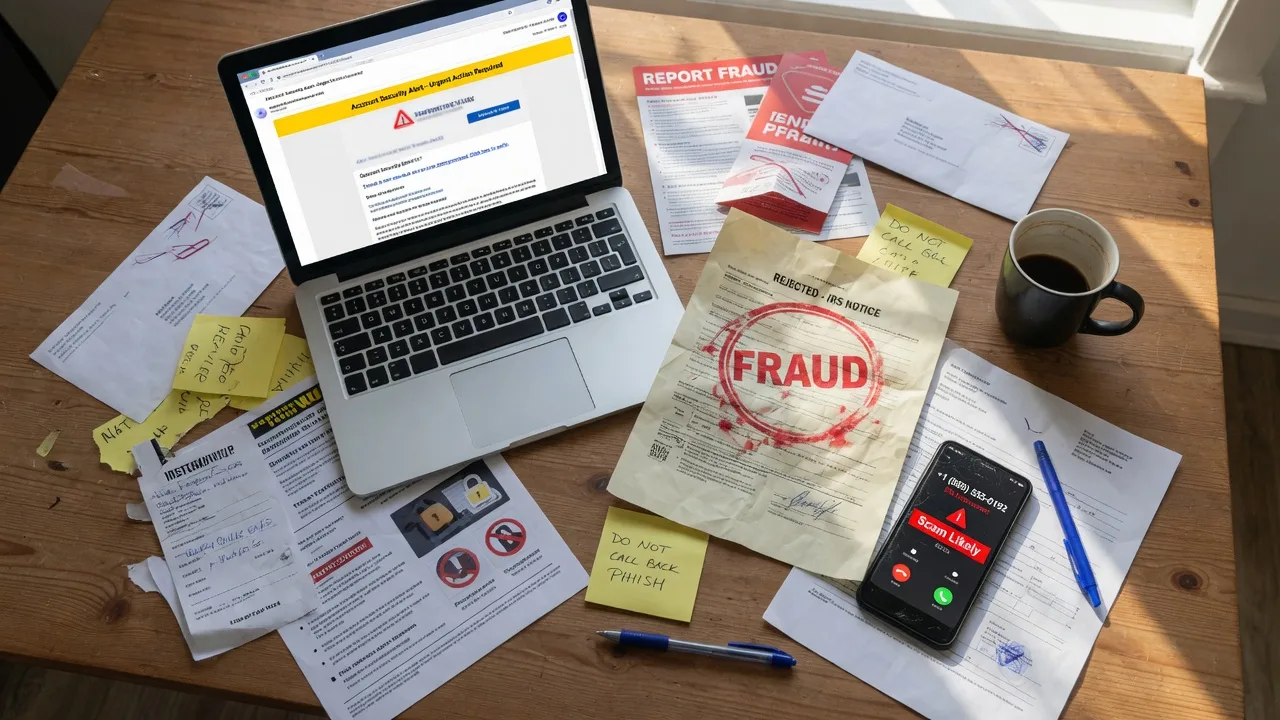
Phishing scams use fake emails, text messages, or phone calls to trick you into providing personal information. A common real estate phishing scam involves an email that appears to come from your lender asking you to click a link and log in to your account. The link leads to a fake website that captures your username and password. Once the criminal has your login credentials, they can access your financial information and potentially intercept your transaction. Never click links in unexpected emails. Type the website address directly into your browser.
Title Fraud
Title fraud occurs when a criminal forges documents to transfer ownership of a property to themselves or to a shell company. The criminal then takes out loans against the property or sells it to an unsuspecting buyer. While title fraud is less common than wire fraud, it can be devastating. Title insurance protects against title fraud, which is one reason lenders require it and buyers should purchase an owner's policy.
Overpayment Scams
In an overpayment scam, a buyer sends a check for more than the agreed-upon price and asks the seller to refund the difference. The check later turns out to be fraudulent, and the seller is left responsible for the refunded amount. Never accept an overpayment. Wait for checks to fully clear before releasing funds or property.
How to Protect Yourself
The same habits protect against most real estate scams. Verify independently. Never send money based on an email or phone call alone. Use secure methods of communication and payment. Work with licensed, reputable professionals. Trust your instincts. If a deal sounds too good to be true, it probably is.
Knowing what scams exist is the first step to avoiding them. Awareness, verification, and caution are your best defenses against every type of real estate fraud.
