
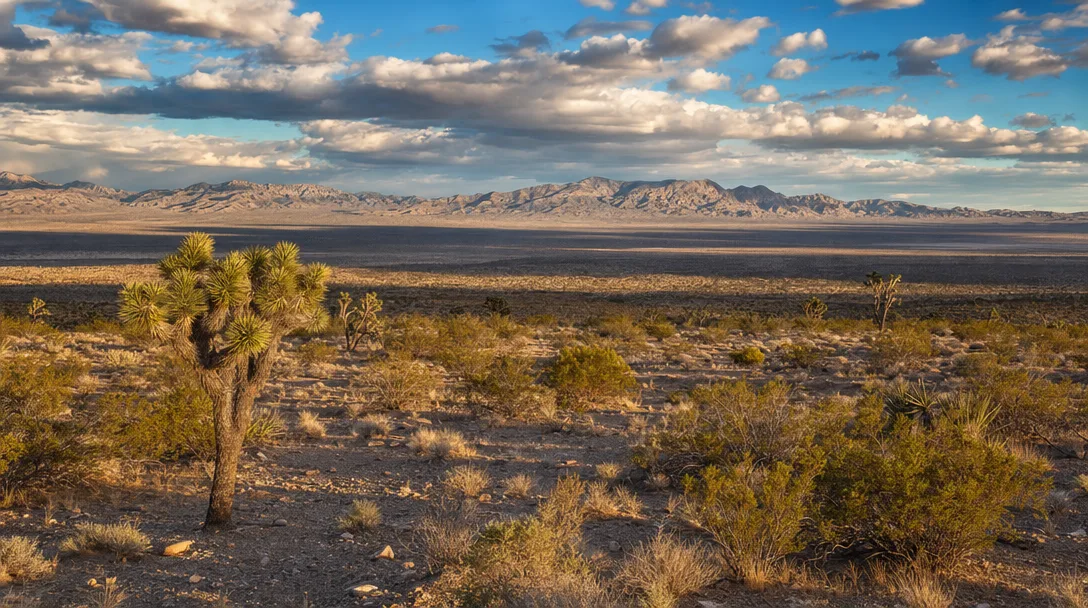
Moving to Las Vegas means moving to the Mojave Desert. For many newcomers, especially those relocating from coastal or humid climates, the transition to desert living takes some adjustment. Here is a realistic look at what it means to live in the Mojave.\n\nThe Heat Is Real\n\nLas Vegas summers are hot. Daytime temperatures from June through August routinely exceed 100 degrees, with July typically the hottest month. Heat waves can push temperatures above 110 degrees for several consecutive days. The heat is dry, not humid, which makes a difference. Sweat evaporates quickly, and shade provides real relief. But the heat demands respect. Most outdoor activities shift to early morning or evening hours during summer. Cars need to be parked in the shade when possible. And air conditioning is not optional. It is a necessity.\n\nDry Air Changes Everything\n\nHumidity in Las Vegas averages around 10 to 20 percent, compared to 60 to 80 percent in many coastal areas. Dry air makes high temperatures more tolerable, but it also means you need to drink more water than you think, use moisturizer, and expect static electricity. Dry sinuses and chapped lips are common for newcomers until they adjust. Indoor humidifiers can help during the driest months.\n\nWater Conservation Is Part of Daily Life\n\nThe Mojave receives less than six inches of rain per year. Water conservation is built into the way homes are built and maintained. Landscape irrigation is carefully managed. Most HOAs have guidelines about water-efficient landscaping. The Southern Nevada Water Authority offers rebates for replacing grass with desert-friendly landscaping. Residents learn to be mindful of water use in ways that residents of wetter climates do not.\n\nWildlife Is Present\n\nThe desert is not empty of wildlife. Coyotes, desert bighorn sheep, jackrabbits, roadrunners, and various reptiles and insects all live in and around Las Vegas. Newcomers should expect to see wildlife, especially in communities near the desert edge. Coyotes are common in Summerlin, Henderson, and other areas bordering open space. They are generally not aggressive but will take small pets if left unattended. Understanding how to coexist with desert wildlife is part of becoming a Las Vegas resident.\n\nScenery That Makes It Worthwhile\n\nThe trade-off for the heat and the dry air is scenery that few other cities can match. The views of the Spring Mountains, Red Rock Canyon, and the vast desert sky are part of daily life in Las Vegas. Sunsets are spectacular. The night sky is clear. The landscape has a stark beauty that grows on residents over time. Many people who move to Las Vegas for practical reasons end up staying because they fall in love with the desert.\n\nLiving in the Mojave is not for everyone, but for those who embrace it, the desert lifestyle offers a quality of life that is hard to replicate anywhere else.
What Is It Really Like Living in the Mojave Desert?

Reviewed by
Lisa C Hamilton, REALTOR®
Lisa C Hamilton is a Las Vegas Valley REALTOR® affiliated with THE Brokerage, A Real Estate Firm®, helping buyers, sellers, investors, and relocating clients across Clark County and Greater Las Vegas with local market knowledge, property research, and direct personal representation. Nevada License S.168195.
Ready to Talk Real Estate?
Ask Lisa, get a free Property DNA report, or find out what your Nevada home is worth.
Property DNA reports are free, available nationwide, with no limit on how many you can order. Enter your contact information once and request reports for multiple property addresses. Reports are delivered by email, usually within one hour during normal business hours. A Property DNA report is not a title search, title commitment, title insurance policy, appraisal, inspection, survey, or legal or tax advice.