
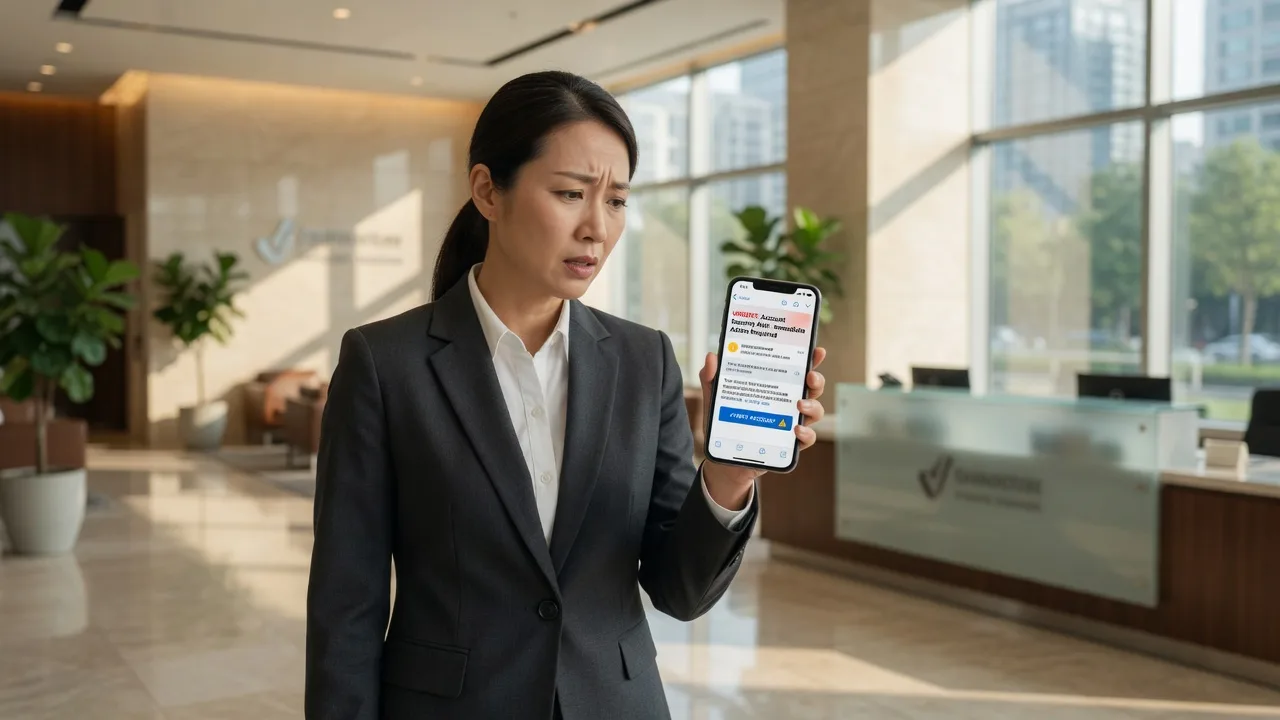
One of the most alarming aspects of real estate wire fraud is how convincingly criminals impersonate legitimate professionals. They do not send crude, poorly written emails full of spelling errors. They send polished, professional emails that look exactly like what you would expect from your title company, lender, or real estate agent. Here is how they do it and how to spot the difference.
Look-Alike Email Addresses
The most common impersonation technique is the look-alike email address. A criminal registers a domain name that is nearly identical to a legitimate company's domain. For example, if the title company uses titleco.com, the criminal registers titleco.co or titleco.net or titleco-closing.com. The email address looks correct at a glance. The display name shows the actual name of the person you have been working with. Most people check the display name, not the actual email address. That is exactly what the criminal is counting on.
Copied Signatures and Logos
Criminals have access to real emails from the compromised accounts they monitor. They copy the exact email signature used by the real professional. They copy logos, license numbers, phone numbers, and disclaimers. They recreate the entire email template so it looks identical to legitimate emails you have already received. The formatting, colors, and signature block all match. Everything looks right because it was copied from the real thing.
Actual Transaction Details
This is the most frightening part. Criminals often have access to the actual transaction emails. They know the property address, the closing date, the loan amount, and the names of everyone involved. When they send a fraudulent email, they reference these specific details. They mention the property you are buying. They reference the closing date. They use names you recognize. This makes the email feel authentic because it contains real information that only someone involved in the transaction should know.
Creating Urgency
A fraudulent email almost always includes an element of urgency. There was a last-minute change. There was an error in the instructions. The closing might be delayed if you do not act immediately. The urgency is intentional. It is meant to make you act quickly without thinking. Criminals know that a calm, deliberate buyer who picks up the phone to verify is their biggest threat.
How to Protect Yourself
Always check the actual email address, not just the display name. Compare the sending address to previous legitimate emails. Look for subtle differences in the domain name. If you receive updated wiring instructions, call your title company or escrow officer immediately using a phone number you already have, not one from the email. Read the instructions back to confirm they match. Trust your instincts. If something about the email feels off, even if you cannot explain why, stop and verify.
The criminals who commit real estate wire fraud are skilled at what they do. They invest time in making their emails look real. But they are counting on you not looking closely. When you slow down, examine the details, and pick up the phone, their impersonation falls apart.
