
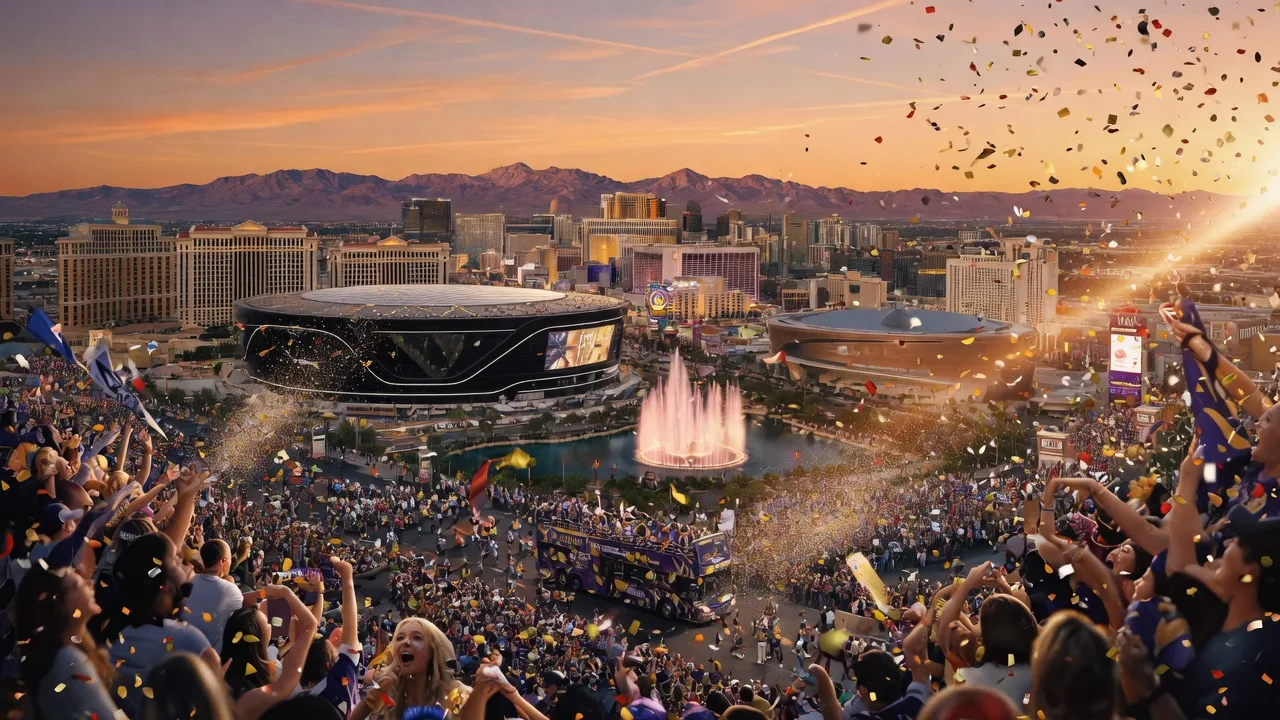
Before 2017, Las Vegas was a city that hosted sports but did not have sports of its own. The city welcomed boxers, UFC fighters, and the NBA Summer League, but there were no hometown teams to cheer for. There were no championship parades down the Strip. There was no local team to follow from training camp through the playoffs. That has changed completely, and the transformation has reshaped Las Vegas in ways both visible and subtle.\n\nBefore the Teams\n\nFor most of its history, Las Vegas was defined almost entirely by tourism and gaming. The city attracted visitors from around the world, but it was not a place where people rooted for a home team. Local sports fans followed teams from wherever they had moved. There was no shared sports identity. That left a gap in the city's sense of community. Las Vegas had everything except something to call its own.\n\nHometown Identity\n\nThe arrival of the Golden Knights, Raiders, and Aces gave Las Vegas something it had never had: professional sports teams that belong to the city. Residents now wear team colors and fly flags from their homes. Kids grow up dreaming of playing for the home team. The shared experience of watching a playoff run or celebrating a championship has brought the community together in a way that was not possible before. Las Vegas has developed a hometown identity that extends beyond the Strip and into neighborhoods across the valley.\n\nChampionship City\n\nLas Vegas is now a championship city. The Golden Knights won the Stanley Cup in 2023. The Aces won back-to-back WNBA championships in 2022 and 2023. These championships produced celebration rallies, parades, and moments of collective joy that had never been experienced in Las Vegas before. The city has proven that it can not only support teams but celebrate them at the highest level.\n\nCommunity Building\n\nProfessional sports have become a force for community building in Las Vegas. Teams have invested in youth programs, community outreach, and local charities. Game days bring people together across neighborhoods, demographics, and backgrounds. Sports bars, watch parties, and neighborhood gatherings create social connections that strengthen the fabric of the city. For newcomers moving to Las Vegas, following a local sports team is one of the fastest ways to feel connected to the community.\n\nEconomic Impact\n\nThe economic impact of professional sports in Las Vegas has been substantial. Allegiant Stadium, T-Mobile Arena, and the future MLB ballpark have created thousands of construction and hospitality jobs. Game days bring visitors who spend money at hotels, restaurants, and entertainment venues throughout the valley. The presence of major league teams has enhanced Las Vegas's reputation as a destination for conventions, business investment, and relocation.\n\nA New Las Vegas\n\nLas Vegas has always been a city that reinvents itself. The transformation into a major league sports city is one of the most significant reinventions in the city's history. For residents, the change means something more than just something to do on a weekend. It means having a home team, a shared identity, and a sense of belonging to a city that has finally found its voice.\n\nFor anyone considering moving to Las Vegas, the sports culture is now part of what makes the city a great place to live. It is one more reason that people choose to call Las Vegas home.
How Professional Sports Have Changed Las Vegas

Reviewed by
Lisa C Hamilton, REALTOR®
Lisa C Hamilton is a Las Vegas Valley REALTOR® affiliated with THE Brokerage, A Real Estate Firm®, helping buyers, sellers, investors, and relocating clients across Clark County and Greater Las Vegas with local market knowledge, property research, and direct personal representation. Nevada License S.168195.
Ready to Talk Real Estate?
Ask Lisa, get a free Property DNA report, or find out what your Nevada home is worth.
Property DNA reports are free, available nationwide, with no limit on how many you can order. Enter your contact information once and request reports for multiple property addresses. Reports are delivered by email, usually within one hour during normal business hours. A Property DNA report is not a title search, title commitment, title insurance policy, appraisal, inspection, survey, or legal or tax advice.