
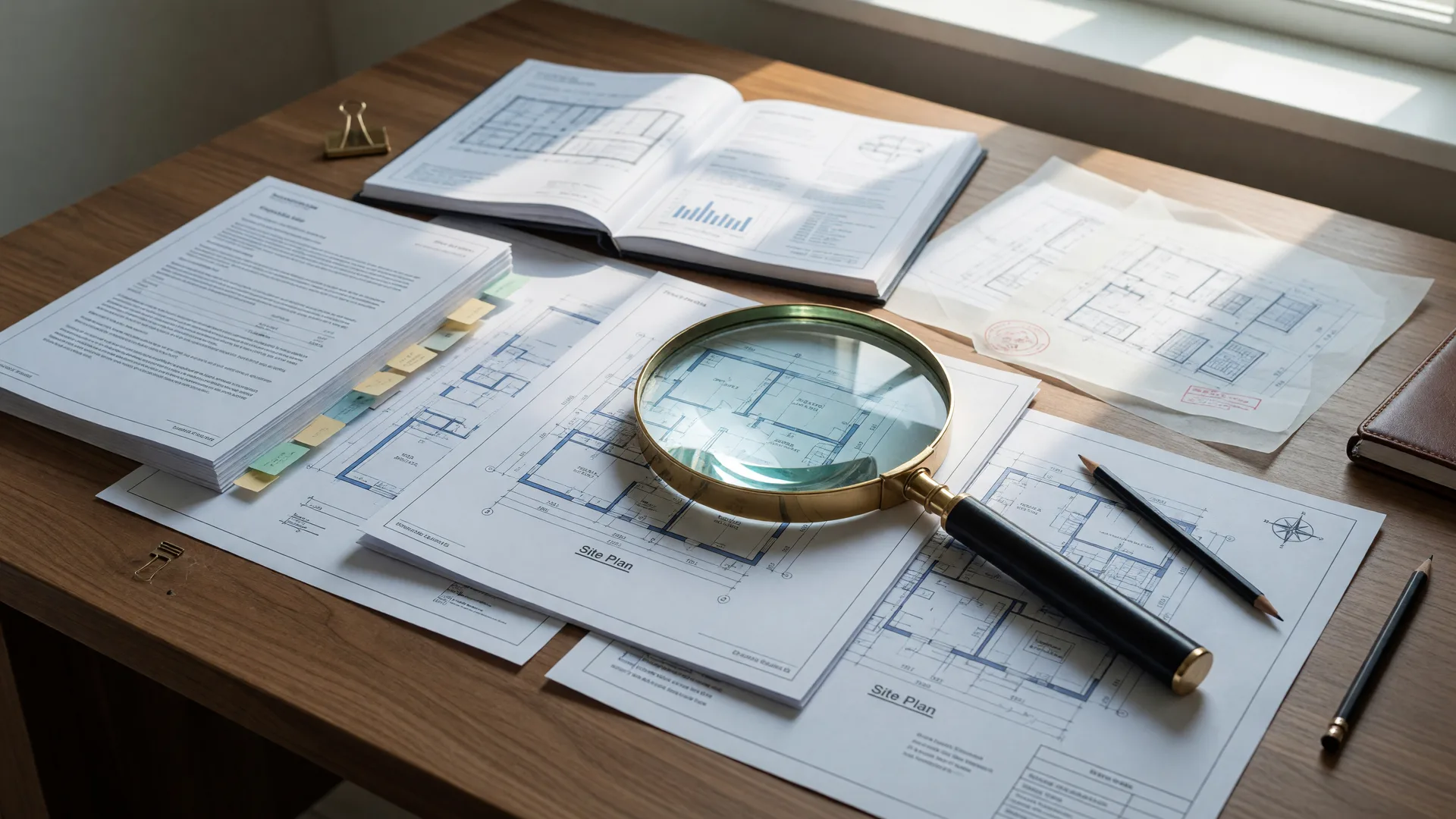
Due diligence is one of the most important concepts in real estate. It refers to the period after your offer is accepted when you investigate the property to make sure it is a sound investment. Due diligence is not one single thing. It is a process that covers multiple areas.
What to Investigate
Physical condition is the most obvious area. A professional home inspection examines the roof, foundation, electrical system, plumbing, HVAC, and structural components. You may also order specialized inspections for pests, mold, sewer lines, pools, or fireplaces.
Title due diligence involves reviewing the preliminary title report to confirm the seller has clear ownership and identify any liens, easements, or encumbrances on the property.
Financial due diligence includes reviewing the seller's disclosures, understanding HOA fees and rules, confirming property taxes, and verifying that the property's value supports the purchase price through an appraisal.
Neighborhood due diligence means researching the area. What are the schools like? How is the commute? Are there planned developments nearby that could affect property values?
How Property DNA Adds a Layer
A free Property DNA report from Lisa C Hamilton adds valuable information to your due diligence process. The report provides ownership history, tax records, value estimates, and comparable sales. It is free and typically returned within one hour during the same business day. Think of it as an extra set of eyes on the property's background.
Deadlines Matter
Your purchase agreement will specify a due diligence period, typically 7 to 14 days in Nevada. All inspections, reviews, and investigations must be completed within this window. If you find issues you cannot accept, you can negotiate with the seller or terminate the contract and receive your earnest money back, but only if you act within the contingency period.
Due diligence is your opportunity to make an informed decision. Use the time wisely, ask questions, and rely on your agent to guide you through the process.
A Seller's Note on Due Diligence
Buyers complete their due diligence after the offer is accepted, and sellers respond to the inspection that follows. Nevada sellers should complete required disclosures accurately based on their knowledge. For the seller side of the process, see inspection problems for sellers and the full after the offer checklist, both part of the Las Vegas Home Seller Resource Center.
