
Quick Answer
In Las Vegas, fall is a short season with a long punch list. Before the end of October: inspect or swap the HVAC filter and have the furnace checked before the first cold night; set sprinkler irrigation to one assigned day per week starting November 1 under Southern Nevada Water Authority rules; test smoke and CO alarms and replace any past their service life; refresh weather stripping on doors; clear roof drainage before winter rain; and keep pool water circulating on shorter run times as temperatures drop. Most of this is an afternoon of work that protects the house you already own.
Fall Comes With a Notice in the Desert
In most of the country, fall means raking leaves and closing the pool. In Las Vegas, fall is the season when the air conditioner finally gets a break, the heater gets its first cold-night test, and the winter rain shows up to find every leak you ignored. It also has a hard calendar marker: on November 1 the Southern Nevada Water Authority cuts sprinkler irrigation to one assigned day per week, and it stays that way through the end of February. October is the month to get ahead of all of it.
This checklist is written for people who live in their house, not for people trying to sell it. Most of it protects the home you already own and the systems you use every day. One small piece of it, the curb appeal and repair part, happens to matter if a sale is in your future. None of it replaces your manufacturer's instructions, your HOA rules, or a licensed professional. Where a spec matters, check the manual before you guess, and when in doubt ask the person who works on the system for a living.
When Was Your Filter Last Changed?
The cheapest high-value task on the whole list is the HVAC filter. A dirty filter makes your system work harder, blows dust through the house, and can shorten the life of the equipment. Standard guidance from manufacturers is to check it monthly and change a standard one-inch filter every one to three months, with thicker media filters going longer. Desert rules of thumb are more aggressive than the national average: Las Vegas air is dusty, the AC runs a huge number of hours per year, and summer storms add grit. In this climate, checking the filter every 30 days and swapping a one-inch pleated filter closer to monthly during heavy use is a reasonable habit. If you use a thicker four-inch media cabinet, follow the manufacturer's interval, which is usually several months.
Monsoon season and construction dust change the math. After a wind storm that coats everything in silt, look at the filter that same day. A filter that looks loaded is loaded, regardless of what the calendar says.
The Furnace Needs Its First Light
Las Vegas furnaces can sit idle for eight months. When they wake up in November, they sometimes wake up with dust, lint, and an occasional resident insect. A licensed HVAC professional can inspect, clean, and test the system before the first cold night, and this is the moment of year when it pays off: the wait lists for heater breakdowns are shortest before the first freeze, not during it.
If you have a gas furnace, this matters for reasons beyond comfort. A furnace that is dirty, damaged, or poorly vented can produce carbon monoxide, which is why the annual inspection is worth the cost of a good meal out. While the technician is there, ask about your thermostat, the filter, and anything the last inspection flagged. Replace the filter at the start of the season, and again a month or two in, the same way you did in summer.
Set the Irrigation Clock Back, Way Back
Thanksgiving is not the only deadline. On November 1 the Southern Nevada Water Authority winter watering schedule begins: sprinkler irrigation drops to one assigned day per week, down from the three allowed days of spring and fall, and it stays at that level through February. Sprinklers are prohibited on Sundays year-round. Run your sprinklers outside your assigned day and you are not just wasting water, you risk a water-waste fee from the municipality.
Find your assigned watering day on the SNWA website and set your controller before the switch takes effect, the same weekend you could change your clock if Nevada still observed daylight saving time. The calendar reminder works just as well either way.
Winter also means run times should shrink. Grass needs far less water when soil temperatures drop, and desert trees and shrubs need less still. If your landscape is on drip, fall is a good time to walk every line, check emitters for clogs, and fix the small leaks that summer heat can hide. A leaking valve or a broken emitter left running all winter wastes water every single night it runs.
One more cold-weather note: hard freezes are rare in the valley, but they happen, usually for a few predawn hours a handful of nights each winter. If your home has an exposed irrigation backflow assembly or an outside hose bib, check the manufacturer's or installer's freeze guidance before the temperature drops into the 20s. Draining a hose and covering a spigot takes minutes; replacing a cracked fitting takes an afternoon.
The Twice-a-Year Safety Minute
The fall clock change is a built-in reminder for two alarms, and neither one should wait for a problem to prove its age. The National Fire Protection Association recommends testing smoke alarms at least once a month and replacing an alarm entirely once it reaches 10 years from its date of manufacture, not from when you moved in, and many alarms have a manufacture date printed on the back. Carbon monoxide alarms are replaced per the manufacturer's instructions, commonly after five to seven years of service, and modern units chirp repeatedly when they reach end of life. If an alarm is chirping and a fresh battery does not stop it, the alarm is telling you to replace it.
Las Vegas has its own reason to take this seriously. Furnaces, water heaters, and fireplaces all burn fuel indoors when the weather turns, and a home that sat ventilated all summer may be sealed up tight by January. Test, replace, and stop thinking about it for another six months. You should also know where the breaker panel and the main water shutoff are before you need either one in a hurry, not after.
Weather Stripping: The Cheap Fix That Pays All Winter
Desert sun destroys door seals. The foam and vinyl around a Las Vegas front door takes a beating that a coastal door never sees, and by year four or five it is often cracked, compressed, or gone entirely. When the heater comes on, the drafts around a bad seal are real money leaving the house.
The fix takes an hour and a few dollars in materials. Check the sweep at the bottom of each exterior door, the weather stripping around the jambs, and the seal on the door to the garage, which is the one most people forget. Hold your hand at the edge of a closed door on a windy day, or hold up a lit incense stick and watch the smoke. Where you feel or see air, replace the strip. Patio doors and sliding glass doors have their own seals and tracks; a new brush or gasket makes them quieter and tighter. This is also the moment to fix a door that no longer latches cleanly, since the latch and strike plate will be working harder all winter.
Roof and Drainage Before the Winter Rain
Las Vegas gets most of its annual rain in the winter months, and a few inches can arrive in a handful of dramatic storms. October is the month to look up. Walk the yard and check the roof from the ground: cracked or slipped concrete tiles, worn flashing around pipes and vents, and anything a neighbor's tree has dropped. If you see something you cannot judge from below, a licensed roofing contractor is the right call, and the cost of a look is far less than the cost of a ceiling repair after a December storm.
Gutters and downspouts matter more here than their small size suggests. A little monsoon debris goes a long way when rain finally falls, and a clogged downspout can send water exactly where you do not want it: against the foundation, over the walkway, or behind the stucco. Clear the gutters, check that downspouts direct water away from the house, and after the first good rain of the season check the ceilings, walls, and window frames for stains that were not there before. Finding a leak in October is a repair; finding it in January is an emergency.
Pools in the Desert: Cooler, Not Closed
If you have a pool, fall in Las Vegas is a slowdown, not a shutdown. Northern homeowners winterize because their water freezes solid for months; a Las Vegas pool runs year-round, and the water rarely gets anywhere near frozen. The routine changes in ways that are simpler than you expect.
As nights cool, the pool loses less water, so run times can shrink. Keep the water circulating, because a pump suddenly running a shorter schedule still needs enough run time to keep the water clean and the equipment happy. Keep chemistry balanced through the fall; a chemistry problem in November is the same chemistry problem in June, just more comfortable to ignore while you fix it. If you have a heater, this is a good month for a professional tune-up before you actually want warm water.
If you leave town for the colder months, check the pool service plan, not the internet, for what a seasonal schedule looks like on your equipment. And if a real freeze warning is forecast, many pool controllers have a freeze-protection mode that keeps water moving overnight, which is the single most effective thing you can do for your equipment.
Water Heater and Plumbing: The Annual Reset
The water heater works hardest in December and January, and October is the right time for the annual relationship check. Many manufacturers recommend flushing the tank periodically to shed sediment, and Las Vegas water is not kind to tanks. A licensed plumber can flush, inspect, check the temperature and pressure relief valve, and tell you honestly whether the unit is in its last years. If yours is old enough to be doing homework or voting, start planning the replacement on your calendar instead of waiting for the cold shower.
Do the five-minute plumbing walk too. Look under every sink, behind the washer, around the water heater pan, and at the hose connections for the washing machine. Look for slow drips, damp cabinets, and the faint white crust of evaporated minerals. Most catastrophic plumbing failures announce themselves for weeks as a small problem first. Know where your main shutoff is, and teach everyone in the house what it does and when to use it.
The Garage Door You Use Every Day
The garage is a working member of the household, and its door gets more use in fall and winter as the weather turns. Test the auto-reverse once a month the way the owner's manual describes: place an obstacle like a roll of paper towels in the door's path and confirm it stops and reverses. Check the sensors at the base of the tracks and keep them aligned and clean. Inspect the bottom weather seal, which is the same kind of cheap, high-value fix as the door sweeps. Lubricate the moving parts on the manufacturer's schedule, not on a feeling. A door that fails to reverse is a real hazard with kids, pets, and cars, and the test takes about fifteen seconds.
Landscape, Curb Appeal, and the Fall Reset
Fall is the best planting season in the desert, full stop. The soil is still warm enough for roots to establish, the air is cool enough that new plants do not cook, and the winter rains do the first watering for you. If you have wanted to swap out a struggling lawn for low-water desert plants or replace overgrown shrubs, October is the month to schedule it.
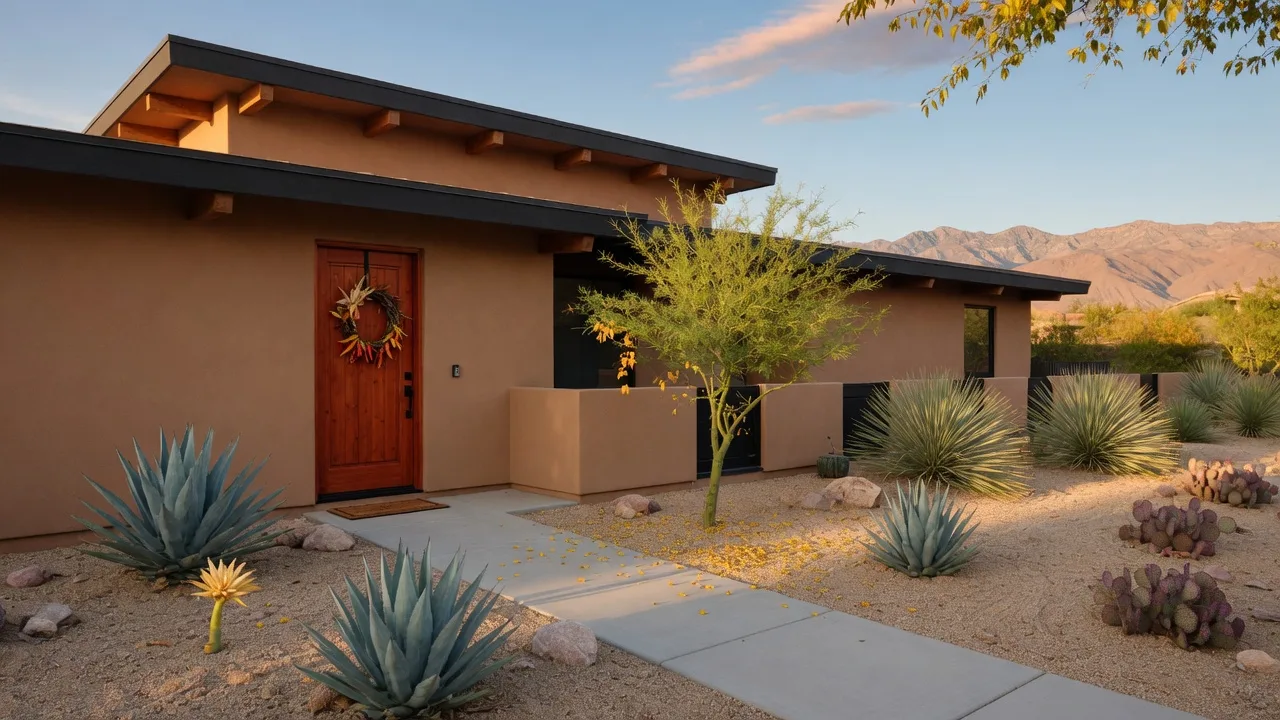
The fall reset also covers the front of the house, which is where the decorating and the curb appeal live. Pull the summer pots, cut back anything that touches the walkway, keep the entry swept, and make sure the house number is visible from the street. If you decorate for the season, keep it simple and check your HOA's rules about decor timing and placement first; HOA fees and rules vary a lot across the valley. A tidy entry, a clear walk, and a visible address are free, and they are the exact things a stranger first sees.
Which of These Pay Off If You Sell?
This article is for homeowners, but a few of these items legitimately double as pre-listing work, and the overlap is worth naming. If a sale is anywhere on your horizon, the goal is not to make the house perfect; it is to make it presentable and fix the things that scare buyers, inspectors, and appraisers.
Routine fall maintenance, a clean roof, working safety alarms, and a landscape that looks intentional all read well in listing photos and walkthroughs. The expensive stuff is the opposite direction: a full kitchen remodel before selling rarely returns its cost, and neither do big upgrades buyers cannot see. Should you renovate before selling? and repairs worth making before listing are the two resources to read there, and Lisa's guide to preparing a Las Vegas home for sale pulls it together.
The honest way to decide whether any of it is worth doing is to know what the house is worth as it sits. You can request a free home value analysis from Lisa, pair any address with a free Property DNA report, and read the Complete Las Vegas Seller's Guide when you are ready to think like a seller.
Your October Weekend Plan
Here is the whole list as a plan you can finish across two Saturdays:
- Change or inspect the HVAC filter, and book the furnace inspection before the calendar fills up.
- Set the irrigation controller to your SNWA winter watering day before November 1, and cut run times.
- Test every smoke and CO alarm, and replace any that are past their service life.
- Fix the door sweeps and weather stripping you can feel.
- Clear the gutters and look at the roof from the ground before the rain returns.
- Shorten the pool run time, balance the chemistry, and book the heater tune-up if you have one.
- Flush and inspect the water heater via a licensed plumber, and walk the house for slow leaks.
- Test the garage door auto-reverse and check the bottom seal.
- Plant, prune, and tidy the front, then check the HOA rules before any seasonal decor goes up.
- If selling is a possibility, get a free home value analysis before deciding what repairs are worth doing.
The Bottom Line
Las Vegas fall maintenance is a systems check, not a renovation. A few hours in October protect the things you use every day: the heat, the water, the doors, the roof, and the alarms that watch the house while you sleep. The desert calendar gives you clear deadlines, the watering schedule on November 1 and the first cold night somewhere after it, and October is the month to beat both of them.
Need a hand deciding what is worth fixing this season, or what your home is worth as it sits? Lisa C Hamilton is a Las Vegas Valley REALTOR who can help you figure out the difference between maintenance and money spent. Contact Lisa or call or text 702-743-4608.
