
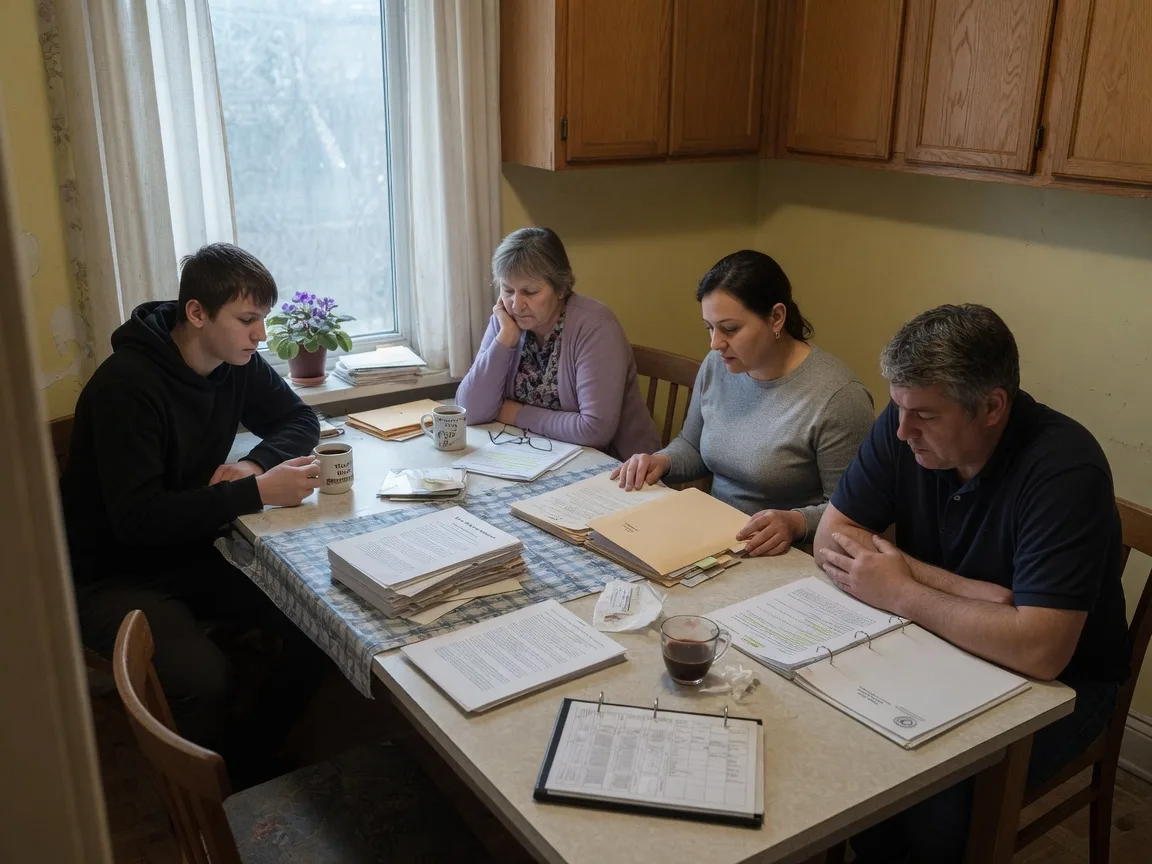
When a parent passes away, dealing with their estate is hard enough without confusion about the mortgage. If your parent had a reverse mortgage, you may have heard things that simply are not true. The bank does not own the house. You are not automatically forced to sell. And in many cases, you have more options than you might think.
The Bank Does Not Own the House
This is the most common myth about reverse mortgages. When a person takes out a reverse mortgage, they remain the owner of the home. The lender holds a lien on the property, just like with a regular mortgage. When the homeowner passes away, their heirs inherit the home subject to that lien. The lender does not take possession and does not automatically foreclose.
When the Reverse Mortgage Becomes Due
The reverse mortgage becomes due and payable when the last surviving borrower passes away or permanently moves out of the home. At that point, the loan balance including accrued interest and fees must be repaid. Heirs typically have options to satisfy the loan, including selling the home, refinancing the loan, or paying off the balance from other funds.
Call the Loan Servicer First
The first step after a parent's death is to contact the reverse mortgage servicer. The servicer will explain the options available to the heirs and provide the deadlines and requirements. Do not ignore communications from the servicer. Reverse mortgage servicers are required to follow federal guidelines that give heirs time to make a decision, but those guidelines require the heirs to stay in communication.
How Much Is Owed?
The amount owed on a reverse mortgage includes the original loan advances, accrued interest, and servicing fees. Because interest accrues over the life of the loan without monthly payments, the balance can be significantly higher than the original loan amount. The servicer will provide a payoff statement that shows the exact amount due. The heirs can request this information after notifying the servicer of the borrower's death.
What About the Home Equity?
If the home is worth more than the reverse mortgage balance, the difference belongs to the heirs. In a strong real estate market like Las Vegas, many homes have appreciated significantly since the reverse mortgage was taken out. That appreciation creates equity that passes to the heirs. The heirs can access that equity by selling the home or by paying off the loan and keeping the property.
What Are the Heirs' Options?
Heirs facing a reverse mortgage generally have three options.
Sell the home. The home is sold and the proceeds pay off the reverse mortgage. Any remaining equity goes to the heirs. This is the most common option because it is straightforward and does not require the heirs to come up with cash to pay off the loan.
Pay off the loan. Heirs who want to keep the home can pay off the reverse mortgage balance from their own funds or by refinancing into a new mortgage. If the heirs have sufficient resources to cover the payoff amount, they can take ownership of the home free and clear.
Deed the home to the lender. If the reverse mortgage balance exceeds the home's value, meaning there is no equity, the heirs can simply give the home to the lender through a deed in lieu of foreclosure. The heirs walk away with no further obligation.
The Non-Recourse Protection
A reverse mortgage is a non-recourse loan. That means the lender can only seek repayment from the property itself, not from the borrower's other assets or from the heirs. If the home sells for less than the loan balance, the lender must accept the sale proceeds as full payment. The FHA insurance fund covers the shortfall. Heirs are never personally responsible for a reverse mortgage shortfall.
How Much Time Do Heirs Have?
Federal guidelines give heirs the right to a 30-day period to decide what to do after the servicer sends a due-and-payable notice. After that, the servicer must give at least 90 additional days to either sell the home or arrange financing. In total, heirs typically have about six months or longer to resolve the reverse mortgage, and extensions are often available if the heir is actively working on a solution.
What Happens if the Heir Wants to Sell Early Before the Loan Is Due?
If an heir wants to sell the inherited home quickly, before the reverse mortgage becomes due, they can do so. The loan is paid off from the sale proceeds at closing. There is no penalty for early payoff of a reverse mortgage. The heir simply coordinates the sale with a real estate agent and the title company, and the reverse mortgage is settled as part of the closing process.
A reverse mortgage does not have to be a burden for surviving family members. Understanding the timeline, the options, and the protections available makes the process manageable. The key is to act promptly, communicate with the servicer, and work with professionals who understand reverse mortgage inheritance rules.
