
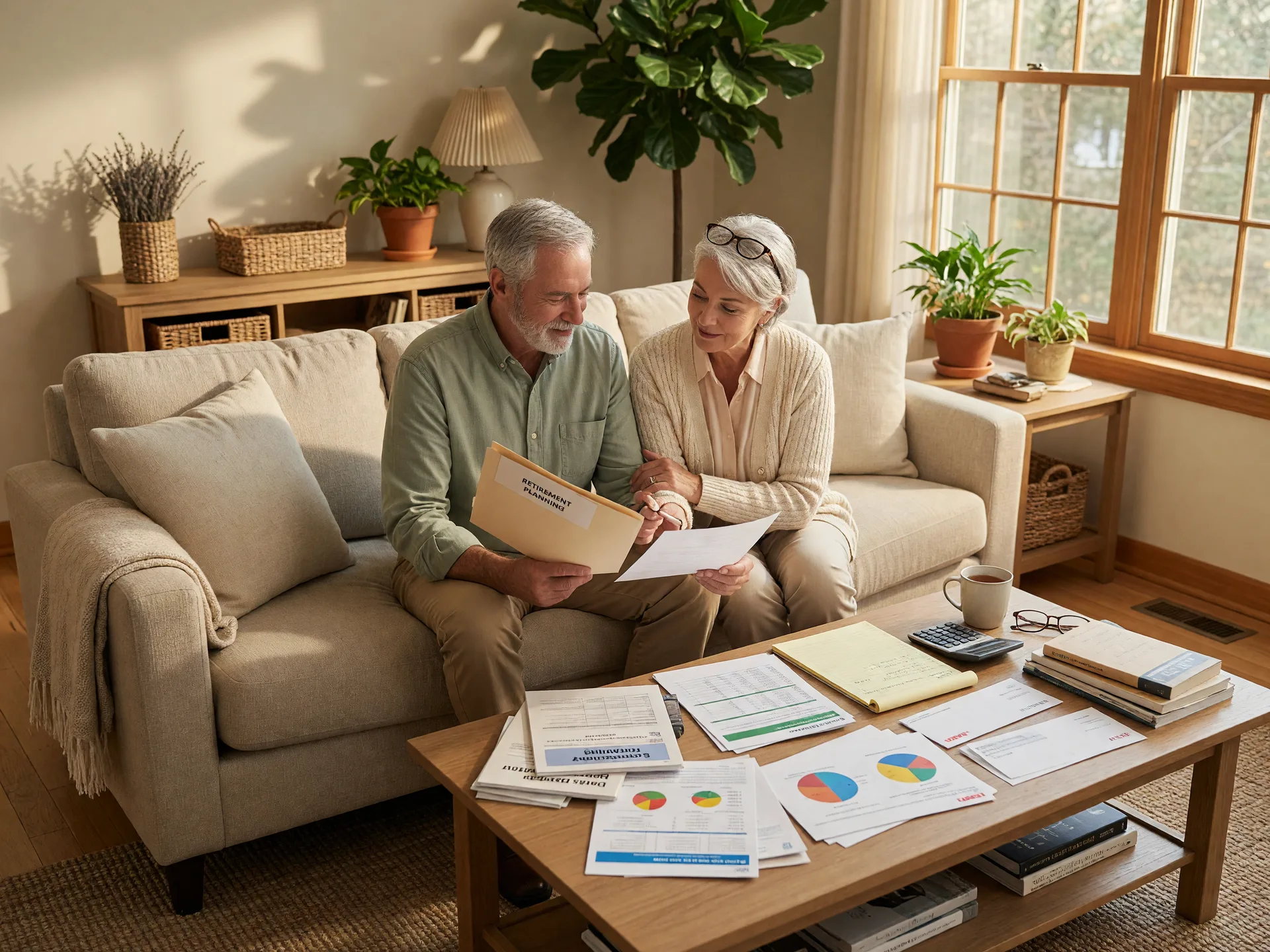
When most people hear the words reverse mortgage, they think of seniors borrowing against the equity in a home they already own. That is the most common use, but it is not the only one. A reverse mortgage can also be used to purchase a home, a lesser-known option called the HECM for Purchase. Here is how it works.
What Is a Reverse Mortgage?
A reverse mortgage, officially called a Home Equity Conversion Mortgage or HECM, is a loan available to homeowners age 62 and older. Instead of making monthly payments to the lender, the borrower receives payments from the lender or draws on a line of credit. The loan is repaid when the homeowner sells the home, moves out permanently, or passes away.
The borrower remains the homeowner and retains title to the property. The lender does not own the home. The borrower is still responsible for property taxes, homeowners insurance, and maintenance. As long as those obligations are met, the loan does not become due.
You Still Own Your House
This is the most important thing to understand about a reverse mortgage. The lender does not own your house. You do. The reverse mortgage is simply a loan secured by your home equity. You live in the home, make decisions about the property, and pass it on to your heirs. The loan balance grows over time as interest accrues and payments are made to you, but the home remains yours.
HECM for Purchase: Buying a Home With a Reverse Mortgage
Many people do not realize that a reverse mortgage can be used to buy a home. The HECM for Purchase program allows eligible buyers age 62 and older to purchase a new primary residence using a reverse mortgage as the financing source. The buyer makes a substantial down payment, typically 40% to 65% of the purchase price depending on their age and the interest rate, and the reverse mortgage covers the rest.
The buyer owns the home outright from day one. There are no monthly mortgage payments. The buyer must still pay property taxes, insurance, and maintenance costs. But the monthly housing payment is significantly lower than with a conventional mortgage because there is no principal and interest payment.
Why Would Someone Use a HECM for Purchase?
The primary reason is cash flow. A retiree who sells a home in a high-cost area and moves to a more affordable market like Las Vegas can use the proceeds from their sale as the down payment on a HECM for Purchase. They buy their next home with no monthly mortgage payment, freeing up their retirement income for other expenses.
For retirees on a fixed income, eliminating the largest monthly expense can make a dramatic difference in quality of life. Social Security and pension income go further when there is no mortgage payment to make each month.
How Interest Works on a Reverse Mortgage
Interest accrues on a reverse mortgage just like any other loan. The difference is that the borrower does not pay it monthly. Instead, interest accumulates and the loan balance grows. The borrower is charged interest only on the funds they actually receive, not on the total amount available. The interest rate can be fixed or adjustable. An adjustable rate allows the borrower to draw funds as needed, while a fixed rate requires a single lump sum payment at closing.
What Happens When You Sell a Home With a Reverse Mortgage
When you sell a home that has a reverse mortgage, the loan becomes due. The proceeds from the sale go first to pay off the reverse mortgage balance, including accrued interest and fees. Any remaining equity belongs to you or your heirs. If the sale proceeds are not enough to cover the loan balance, a reverse mortgage is non-recourse, meaning the lender cannot come after you or your heirs for the difference. The Federal Housing Administration's insurance fund covers the shortfall.
A reverse mortgage is a financial tool, not a giveaway and not a trap. For the right buyer in the right situation, a HECM for Purchase can make homeownership more affordable in retirement. The key is understanding exactly how the loan works and working with a lender who specializes in reverse mortgages.
